 Save
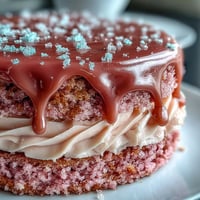
Save There's something about spring that makes you want to bake something beautiful, and this lemon cake with its delicate floral crown arrived in my kitchen during one of those moments when the weather was finally turning warm and the farmer's market suddenly had flowers everywhere. I was standing in my kitchen on a Saturday afternoon, sunlight streaming through the window, when I decided to stop making the same old chocolate cake and try something that actually matched the season outside. The first time I piped that white chocolate drip down the sides, my hands were shaky because I'd never done it before, but the result felt like spring itself had landed on the cake.
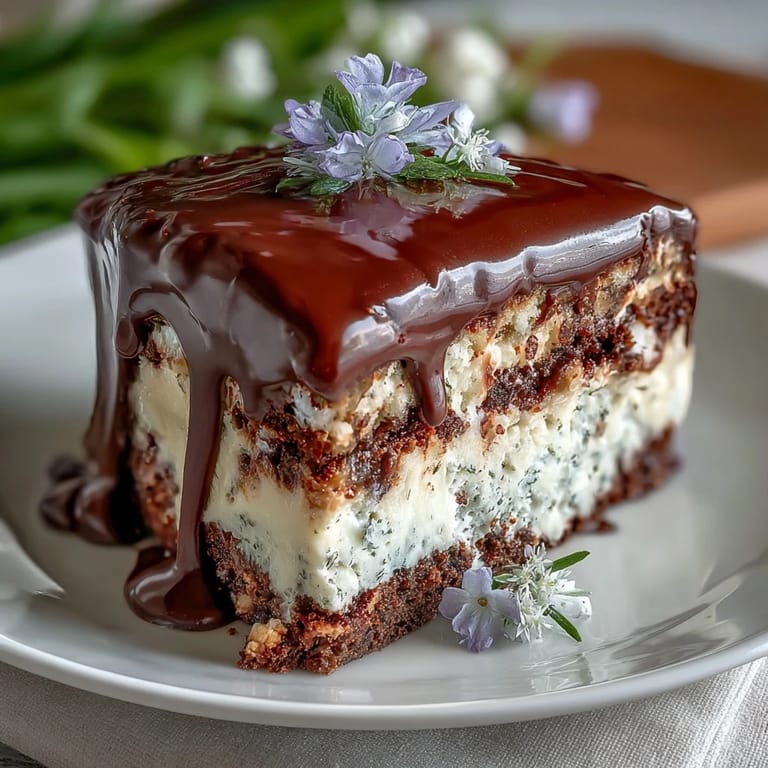
I made this for my neighbor's garden party last April, and watching people stop mid-conversation to photograph it before eating told me everything I needed to know. One woman asked if the flowers were real, and when I said yes, she looked genuinely shocked that you could eat something so pretty. That's when I understood this cake does something beyond tasting good—it creates a moment.
Ingredients
- All-purpose flour (2 ½ cups): This is your cake's foundation, and I've learned that whisking it together with the baking powder and salt upfront prevents those little lumps that hide in the batter.
- Unsalted butter (2 cups total): Use the good stuff and let it come to room temperature—cold butter won't cream properly no matter how long you beat it, and you'll end up with a dense cake instead of the tender crumb you want.
- Granulated sugar (1 ¾ cups): This creams with the butter to create air pockets that make the cake light, so don't skip the beating step even though your arm gets tired.
- Eggs (4 large, room temperature): Cold eggs won't incorporate smoothly and can cause the batter to break, so pull them out of the fridge before you start mixing anything.
- Vanilla extract (1 tbsp): A tablespoon might seem like a lot, but it deepens the flavor so the lemon really sings instead of competing with a bland cake.
- Whole milk (1 cup): Room temperature milk blends seamlessly and prevents the batter from seizing up when you add it to the creamed butter.
- Powdered sugar (4 cups, sifted): Sift it even if you think you don't need to—lumps in frosting are maddening, and ten seconds of sifting saves you from beating forever.
- Fresh lemon juice and zest: The juice gives tang while the zest adds those little flavor bursts that make you taste the bright citrus, so don't skip either one.
- White chocolate chips (1 cup): Quality matters here because cheap white chocolate tastes waxy, and you'll notice the difference when it's the final decoration.
- Heavy cream (⅓ cup): This creates the ganache drip, and heating it just until it steams (not boiling) ensures the white chocolate melts smoothly without breaking.
- Edible flowers: Make absolutely certain they're pesticide-free—call your local nursery if you're unsure, because you don't want anyone getting sick from your beautiful cake.
Tired of Takeout? 🥡
Get 10 meals you can make faster than delivery arrives. Seriously.
One email. No spam. Unsubscribe anytime.
Instructions
- Set yourself up for success:
- Preheat your oven to 350°F and grease those three cake pans like you mean it—use butter and parchment paper because nothing ruins a beautiful cake faster than it sticking to the pan. Pull out your eggs and milk now so they reach room temperature by the time you need them.
- Build your dry ingredients:
- In a medium bowl, whisk together the flour, baking powder, and salt until they're evenly distributed and light. This step prevents pockets of baking powder from creating soapy-tasting spots in your finished cake.
- Cream butter and sugar into clouds:
- Beat your softened butter and sugar together for three to four minutes until the mixture looks pale, fluffy, and almost mousse-like—you'll hear the mixer speed up slightly when enough air has been incorporated. This is non-negotiable for a tender crumb.
- Incorporate eggs with patience:
- Add eggs one at a time, beating well after each addition so each one fully emulsifies before you add the next. Once all eggs are in, mix in your vanilla extract until the batter looks smooth and glossy.
- Alternate wet and dry layers:
- Start with about a third of your flour mixture, beat until just combined, then add a third of the milk, beat gently, and repeat, ending with flour. Overmixing at this stage develops gluten and makes the cake tough, so stop as soon as you don't see dry streaks.
- Divide and bake with confidence:
- Distribute the batter evenly among your three prepared pans—I use a kitchen scale to ensure they're truly equal so all three layers bake at the same rate. Bake for 25 to 30 minutes until a toothpick comes out clean and the cakes have pulled slightly away from the edges.
- Cool with time and patience:
- Let the cakes sit in their pans for exactly 10 minutes, then run a thin knife around the edges and turn them out onto wire racks to cool completely. Frosting a warm cake is a disaster, so make yourself tea and give them at least an hour.
- Whip your frosting into submission:
- Beat softened butter until creamy, then gradually add your sifted powdered sugar a handful at a time, beating between additions so you don't create a powdered sugar cloud. Once it's pale and fluffy, mix in lemon juice, zest, and just enough milk to reach a consistency that holds peaks but spreads easily.
- Level and layer with care:
- If your cakes have domed slightly, carefully slice the tops flat so the layers stack evenly. Place your first layer on a cake board or plate, spread a generous amount of frosting on top, and repeat until all three layers are stacked and frosted.
- Frost the outside smoothly:
- Use an offset spatula to frost the top and sides, trying to make it as smooth as possible because any rough spots will show under the drip. A crumb coat (thin first layer) followed by a final thick layer works better than trying to get it perfect the first time.
- Create the white chocolate drip:
- Heat heavy cream until you see steam rising, pour it over white chocolate pieces in a heat-safe bowl, and let it sit for two minutes before stirring gently until silky. Add gel food coloring if you want pastels, then cool it until it's thick enough to drip slowly but still pourable.
- Drip with artist's hands:
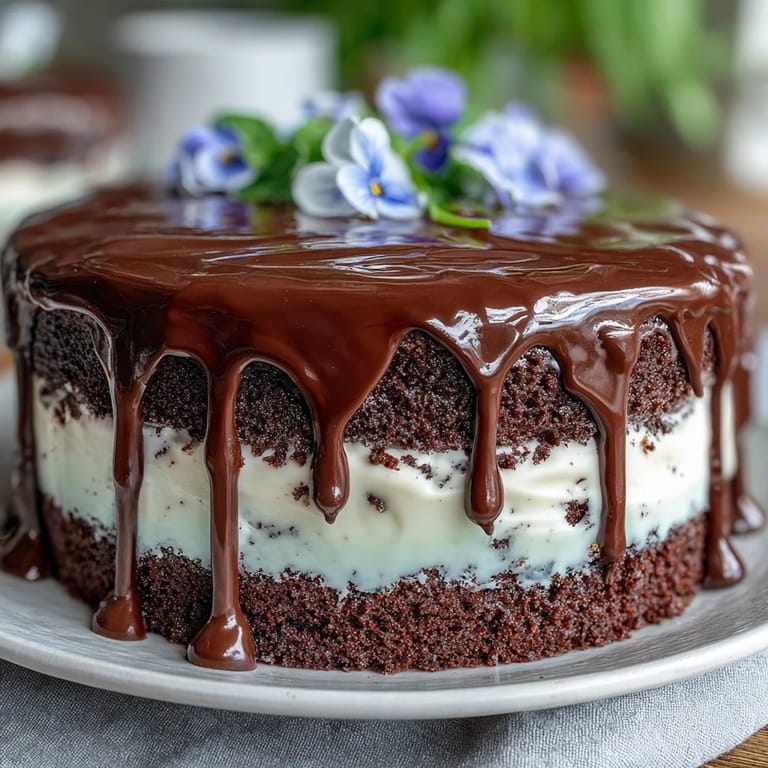
- Using a spoon or squeeze bottle, let the white chocolate run down the sides in an irregular, organic pattern that looks intentional rather than perfect. Spread the remaining ganache gently across the top in a way that looks effortless even if it took three tries.
- Crown with flowers:
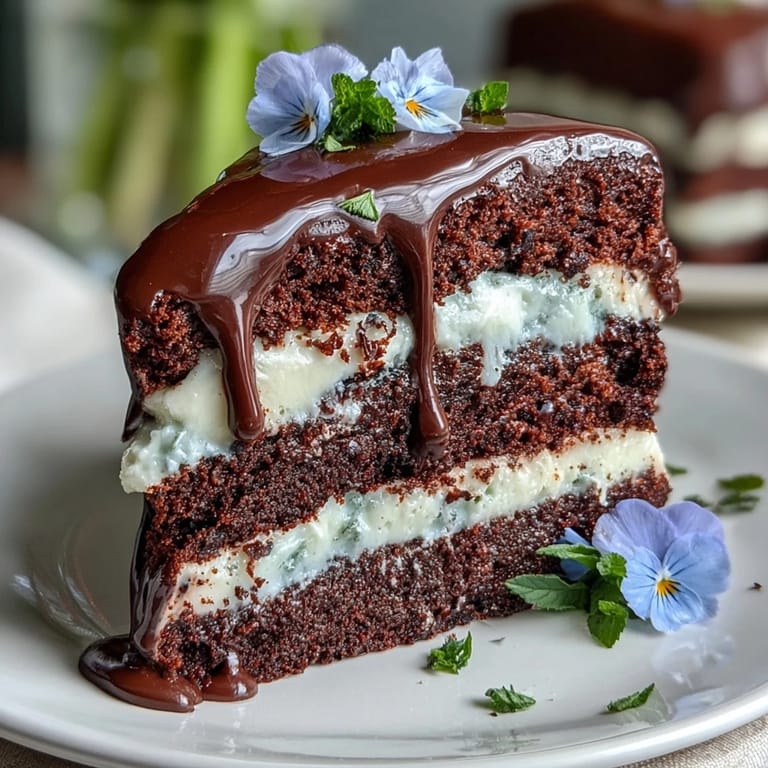
- Arrange your edible flowers on top in a pattern that feels balanced to you, adding a sprinkle of lemon zest if you want extra brightness. Step back and look—you've just created something that belongs in a magazine.
 Save
Save The moment I'll remember is when my six-year-old niece asked if she could eat the flowers and then carefully picked off a violet petal like she was handling something precious. That's what this cake does—it makes people feel like they're eating something special, not just dessert.
Why Spring Calls for Floral Decoration
There's psychology in the way a carefully decorated cake changes how people perceive it, and edible flowers tap into that perfectly because they signal celebration and abundance. When you put flowers on top of a cake, you're not just making it prettier—you're saying this moment matters. That's not pretentious; that's what good baking does.
The Lemon Frosting Formula
The magic of this frosting lives in the balance between sweetness and tang, and once you understand that ratio, you can adjust it slightly depending on how tart you like things. I've made it with lime zest on days when I wanted something slightly different, and with extra lemon juice when the lemons were particularly big and juicy. The base formula stays the same, but small adjustments let you make it yours.
Storage and Serving Wisdom
This cake actually tastes better the day after you make it because the flavors marry together overnight, and the frosting sets properly so slices cut cleanly instead of slouching. Store it in a cool spot or the refrigerator covered loosely, and bring it to room temperature for thirty minutes before serving so the frosting softens slightly and the crumb becomes tender again.
- Bring the cake out of the refrigerator thirty minutes before serving so flavors wake up and texture softens.
- Pair it with Earl Grey tea or a crisp sparkling wine for an elegant finish that complements the lemon without competing.
- Leftovers keep for three days, though something this beautiful rarely lasts that long.
 Save
Save This cake exists to mark moments that deserve marking, and somewhere between the first bite and watching someone's face light up when they taste the lemon, you'll understand why spring baking feels different. Make it when you want to say something without words.
Recipe Q&A
- → What type of flowers can be used for decoration?
Edible flowers such as violets, pansies, and rose petals are recommended. Ensure they are pesticide-free and food-safe for consumption.
- → How do I achieve the smooth white chocolate drip?
Heat heavy cream until just simmering and pour over chopped white chocolate. Let sit briefly, then stir until smooth before pouring slowly over the cake edges.
- → Can I make this cake gluten-free?
Yes, substitute the all-purpose flour with an equivalent amount of gluten-free flour blend to maintain texture.
- → How long should the cake cool before frosting?
Allow the cake layers to cool completely on wire racks to ensure frosting spreads smoothly without melting.
- → What beverages pair well with this cake?
Consider serving with sparkling wine or Earl Grey tea to complement the citrus and floral notes.