 Save
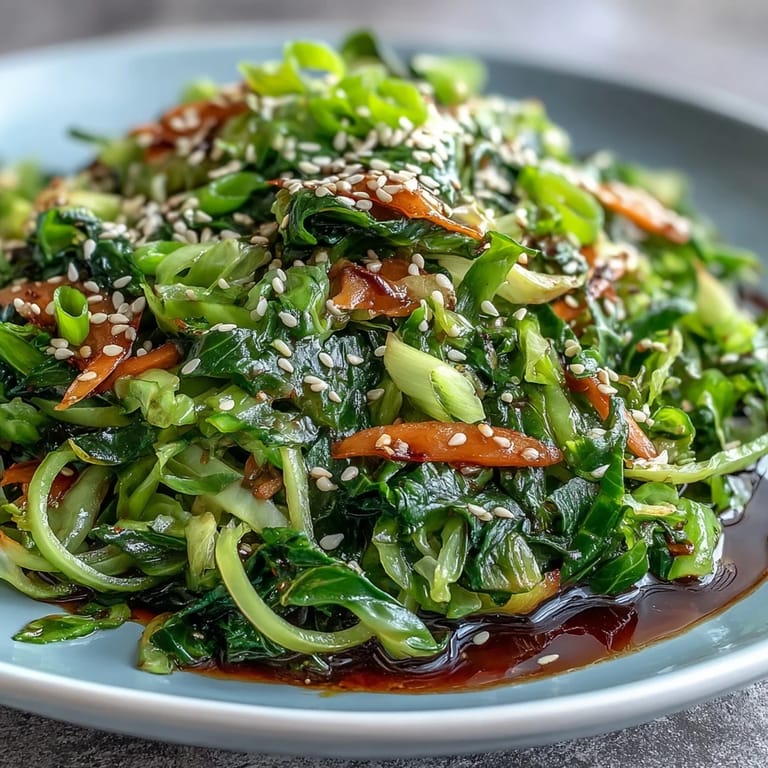
Save My neighbor once knocked on my door with a head of cabbage she didn't know what to do with, and I threw this together on instinct. The smell of garlic hitting hot oil filled the kitchen within seconds, and by the time I tossed in the vinegar and chili paste, she was already asking for the recipe. It's one of those dishes that sounds too simple to be exciting, but the balance of sour, spicy, and sweet transforms humble cabbage into something you actually crave. I've made it dozens of times since, and it never gets old. Sometimes the best recipes come from spontaneous moments and vegetables that need rescuing.
I served this at a potluck once, tucked between fancy casseroles and slow-cooked mains, and it disappeared first. People kept asking what was in it, surprised that cabbage could taste this lively. One friend admitted she'd always hated cabbage until that night, and now she makes it every week. It reminded me that bold flavors and a little heat can change how people see ingredients they thought they knew. That night, a humble wok full of vegetables became the conversation starter.
Ingredients
- Green cabbage: The star here, and slicing it thin is key so it cooks fast and stays crunchy, not limp.
- Carrot: Adds a touch of sweetness and a pop of color that makes the dish look as good as it tastes.
- Scallions: I slice them on the diagonal because it looks prettier and they cook more evenly in the hot wok.
- Garlic: Mince it fine so it blooms quickly in the oil without burning and turning bitter.
- Fresh ginger: The warmth it adds is subtle but essential, and I always use fresh, never powdered.
- Soy sauce: Brings the salty backbone, and I swap in tamari when cooking for gluten-free friends without anyone noticing.
- Rice vinegar: This is where the sour comes from, bright and clean, not harsh like distilled vinegar.
- Chili paste or chili garlic sauce: The heat level is totally up to you, and I've used everything from mild to face-melting.
- Sugar: Just a teaspoon balances the acid and heat, rounding out the sauce beautifully.
- Toasted sesame oil: A little goes a long way, adding nutty depth at the end.
- Vegetable oil: For stir-frying at high heat without smoking up the kitchen.
- Black pepper and salt: Finish with these to taste, and remember the soy sauce is already salty.
- Toasted sesame seeds: Optional but worth it for the little bursts of texture and toasted flavor.
Tired of Takeout? 🥡
Get 10 meals you can make faster than delivery arrives. Seriously.
One email. No spam. Unsubscribe anytime.
Instructions
- Mix the sauce:
- Whisk together soy sauce, rice vinegar, chili paste, sugar, and sesame oil in a small bowl. Having this ready before you start cooking means you won't scramble later when the wok is screaming hot.
- Heat the wok:
- Pour vegetable oil into a large wok or skillet and crank the heat to medium-high. Wait until the oil shimmers and almost starts to smoke, that's when you know it's ready.
- Bloom the aromatics:
- Toss in garlic and ginger, stirring constantly for about thirty seconds. The smell will hit you immediately, fragrant and sharp, and you'll know it's time to move fast.
- Stir-fry the vegetables:
- Add the sliced cabbage and julienned carrot, tossing everything with a wooden spoon or spatula. Cook for three to four minutes until the cabbage just starts to wilt but still has plenty of crunch.
- Add the sauce:
- Pour in the prepared sauce and toss quickly to coat every shred of cabbage. Stir-fry for another two to three minutes, letting the flavors meld while keeping that tender-crisp texture.
- Season and finish:
- Sprinkle in black pepper, salt, and sliced scallions, stirring well for one more minute. Taste and adjust if you want more heat or tang.
- Serve:
- Transfer to a serving dish and scatter toasted sesame seeds and extra scallions on top if you like. Serve it hot, straight from the wok.
 Save
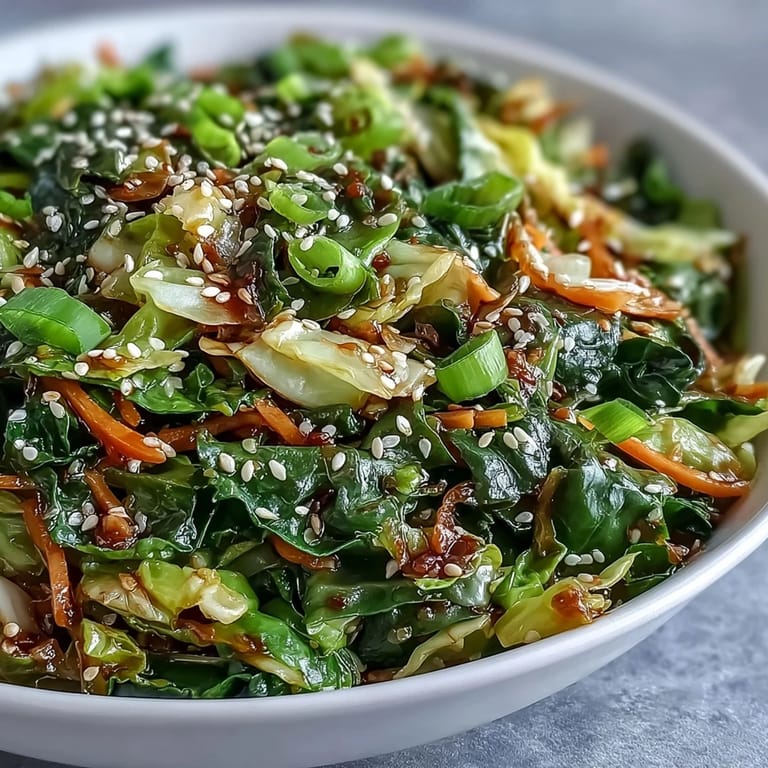
Save One evening I made this after a long day, too tired to think much, and the bright, punchy flavors snapped me right out of my fog. My partner wandered into the kitchen, drawn by the smell, and we ended up eating it straight from the pan with chopsticks. It wasn't fancy, but it felt like exactly what we needed. Sometimes food doesn't have to be complicated to feel like a gift.
How to Adjust the Heat
I've learned that chili paste brands vary wildly in spice level, so I always start with less and taste before adding more. If you accidentally go overboard, a splash more vinegar or an extra pinch of sugar can tame the fire without dulling the flavor. For guests who can't handle heat, I've served the sauce on the side so everyone can customize their own bowl. It's one of those dishes where personal preference really matters, and that flexibility is part of why it works for so many people.
Best Pairings and Variations
This pairs beautifully with steamed jasmine rice, but I've also piled it onto noodles or served it next to grilled tofu for a quick weeknight dinner. Swapping green cabbage for Napa makes it milder and a bit more delicate, which some people prefer. I've added sliced mushrooms, bell peppers, or snap peas when I had them on hand, and they all worked perfectly. The core flavor stays the same, but you can riff on the vegetables depending on what's in your fridge.
Storage and Reheating
Leftovers keep in the fridge for up to three days, though the cabbage loses a bit of its crunch over time. I reheat it in a hot skillet rather than the microwave to bring back some of that wok-kissed character. It's also delicious cold, straight from the container, as a tangy snack or quick lunch. Here are a few last thoughts to keep in mind:
- Make a double batch if you're meal prepping because it reheats better than most stir-fries.
- Garnish right before serving so the sesame seeds stay crunchy and the scallions stay bright.
- Don't skip the toasted sesame oil at the end, it's small but makes a noticeable difference.
 Save
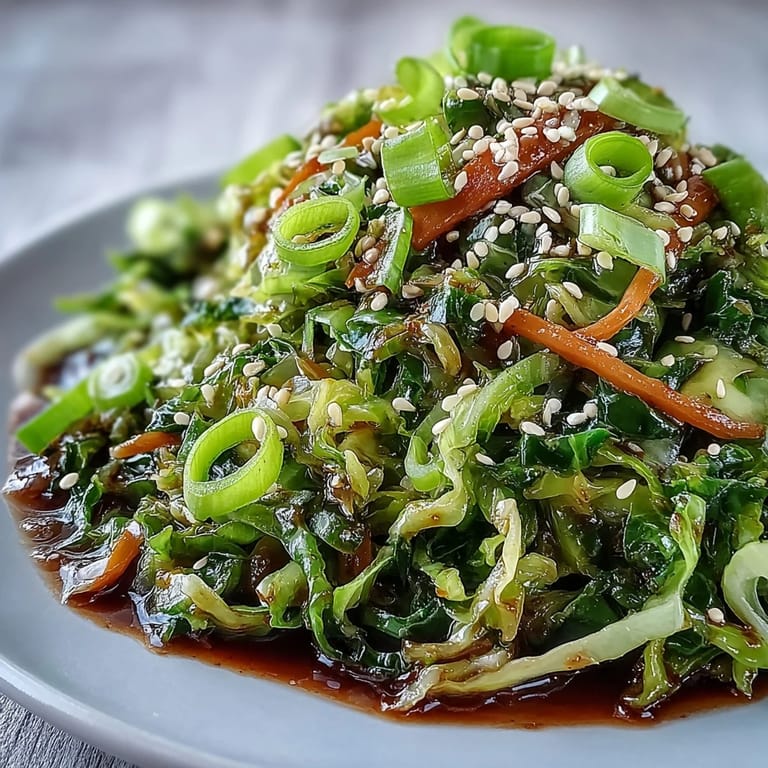
Save This dish has become one of my go-to answers when I want something fast, bright, and satisfying without a lot of fuss. I hope it finds a spot in your regular rotation, too.
Recipe Q&A
- → Can I use Napa cabbage instead of green cabbage?
Yes, Napa cabbage works beautifully and offers a milder, more delicate flavor. It will cook slightly faster, so reduce the stir-fry time by about a minute to maintain crispness.
- → How do I make this dish gluten-free?
Simply substitute regular soy sauce with tamari or a certified gluten-free soy sauce. All other ingredients are naturally gluten-free, making this an easy swap.
- → What can I serve with hot and sour cabbage?
This pairs wonderfully with steamed jasmine rice, fried rice, grilled chicken, or tofu. It also complements noodle dishes and works well as part of a larger Chinese-inspired spread.
- → How spicy is this dish?
The heat level is moderate and easily adjustable. Start with one tablespoon of chili paste and taste as you go. You can increase the heat with red pepper flakes or reduce it by using less chili paste.
- → Can I prepare the sauce in advance?
Absolutely. Mix the sauce ingredients up to three days ahead and store in an airtight container in the refrigerator. Give it a quick stir before adding to your stir-fry.
- → How do I keep the cabbage crispy?
The key is high heat and quick cooking. Don't overcrowd the wok, stir constantly, and cook just until tender-crisp. Remove from heat immediately to prevent the cabbage from becoming soggy.