 Save
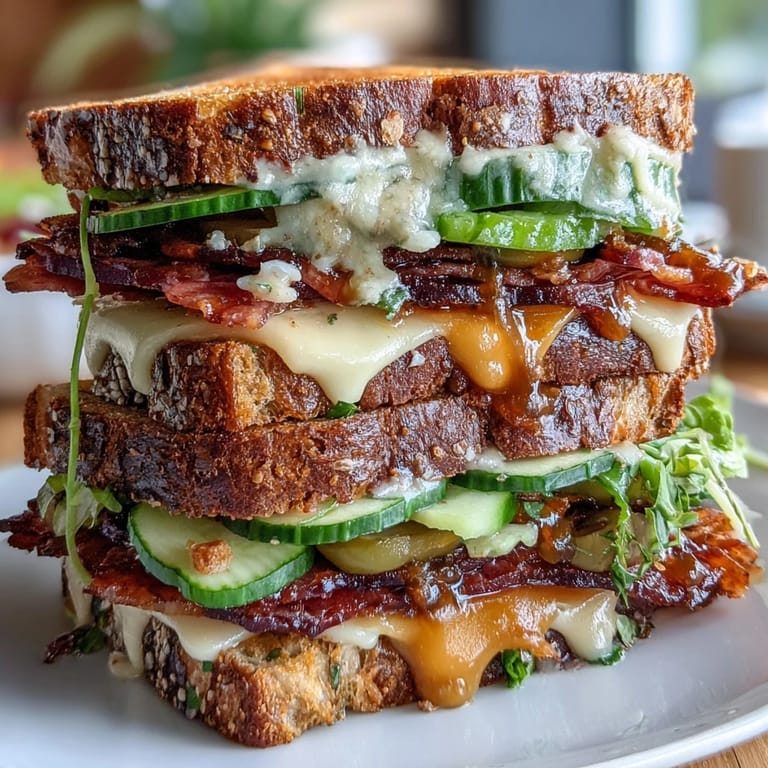
Save My neighbor Marco threw together a sandwich board one summer afternoon without much fanfare, just tossing meats, cheeses, and vegetables onto a wooden plank he'd pulled from the garage. Watching people gravitate toward that table, building their own creations with such focus and joy, I realized this wasn't just about feeding people—it was about giving them permission to make exactly what they wanted. No rules, no judgment, just endless possibility.
I set this up for our neighborhood potluck during one of those unexpectedly warm autumn Sundays when you suddenly realize summer isn't quite done. My daughter stood in front of the board for what felt like an eternity, moving items around like she was solving a puzzle, and something about that quiet deliberation made me understand why people love building their own food. She ended up with the strangest combination—salami, hummus, and avocado on sourdough—and absolutely loved it.
Ingredients
- Ciabatta rolls: Their irregular crumb structure catches spreads beautifully and has that slight crunch that makes each bite interesting.
- Whole grain sandwich rolls: A heartier option that stands up well to heavier toppings without falling apart.
- Sourdough bread: The tang cuts through rich meats and creamy spreads in a way plain bread simply cannot.
- Smoked turkey breast: Lean but flavorful, and it's the gentle introduction for anyone uncertain about deli meats.
- Honey ham: Sweet undertones play unexpectedly well with mustard and pickles, creating a classic flavor triangle.
- Roast beef: This is what makes people feel like they're building something special and substantial.
- Salami: A small amount goes a long way—its saltiness and spice make it a confident finishing touch.
- Swiss cheese: Mild enough to not overpower, with those tiny holes that let other flavors shine through.
- Cheddar cheese: Bold and assertive, the choice for people who know what they want.
- Provolone cheese: Sits right in the middle—creamy without being heavy, with a hint of sharpness.
- Tomatoes: Slice them just before assembly so they don't weep into everything and make bread soggy.
- Cucumber: Adds a cooling crunch that balances all the richness from meats and cheeses.
- Red onion: Thin slices give a bite without overwhelming, and their color makes the board genuinely beautiful.
- Romaine lettuce: Sturdy leaves that don't wilt and provide structure to each sandwich.
- Baby spinach: For the health-conscious builder, it adds nutrition without the chewiness of tougher greens.
- Avocado: Slice just before serving or it browns, but it's worth the last-minute fuss for that creamy texture.
- Dill pickle slices: These are the secret weapon—their sharp tang brings the whole sandwich into focus.
- Mayonnaise: Spread it thin or thick depending on your mood, but don't skip it entirely.
- Dijon mustard: The sophisticated choice, cutting through fat with sharp intelligence.
- Hummus: An unexpected bridge between Mediterranean and deli traditions that quietly impresses people.
- Pesto: Use sparingly—a tablespoon transforms a sandwich into something memorable.
- Honey mustard: Sweet and tangy, it's the crowd-pleaser that helps reluctant builders find their confidence.
- Black olives: Briny and satisfying, but chop them if your guests prefer not to bite whole ones.
- Banana pepper rings: Their mild heat and vinegary brightness wake up tired flavor combinations.
- Sun-dried tomatoes: Concentrated tomato flavor in a chewy package that adds complexity and texture.
Tired of Takeout? 🥡
Get 10 meals you can make faster than delivery arrives. Seriously.
One email. No spam. Unsubscribe anytime.
Instructions
- Set your stage:
- Lay out your largest serving board or platter and arrange all the breads in a casual but organized way—they're your foundation and deserve visual prominence. This is where the whole thing begins, so take a moment to make it inviting.
- Create your meat and cheese section:
- Group the sliced meats and cheeses in separate areas, slightly overlapped so you can see the variety but everything isn't piled on top of itself. This is less about restaurant presentation and more about making sure people can actually see what they're choosing.
- Build your vegetable landscape:
- Arrange the fresh vegetables, pickles, and extras either in small bowls or directly on the board around the edges—think of it like creating different stations. Tomatoes and cucumbers can go straight on the board if you have space; everything else tastes better presented in its own little container.
- Prepare your flavor condiments:
- Spoon each spread and condiment into separate small bowls and position them accessibly with small spoons or knives for spreading. Label them if you're feeling fancy, but honestly people will figure it out by color and smell alone.
- Invite the magic:
- Step back and let people build their own sandwiches, watching what combinations emerge is half the fun. You've done your job—now enjoy not being the one making eight different sandwiches to order.
- Bridge the time gap:
- If you're assembling this at home for a picnic elsewhere, cover components loosely and refrigerate everything except the bread until departure time. When you arrive at your destination, just arrange everything again on whatever surface you have available.
 Save
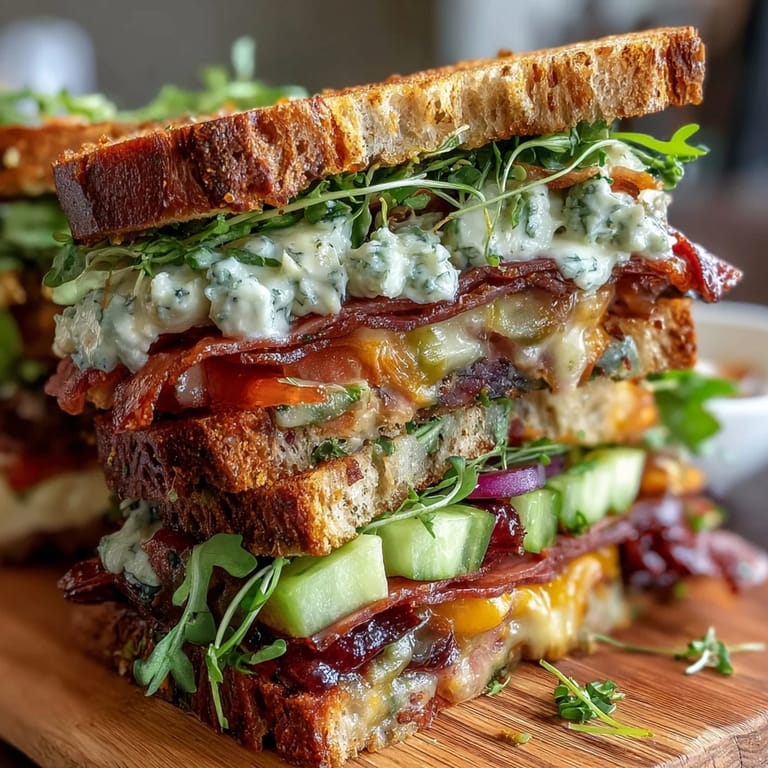
Save What stayed with me most wasn't the food itself, but watching a reserved colleague try hummus on ciabatta for the first time and light up like she'd discovered something forbidden. That's what a good sandwich board does—it gives people permission to experiment without judgment, and sometimes that's the most nourishing thing we can offer.
The Art of Bread Selection
I learned the hard way that bread matters more than you'd think when building a sandwich board. Soft breads get overwhelmed by aggressive spreads and wet ingredients, while overly dense bread demands you have real jaw strength to enjoy your creation. The mix of ciabatta, whole grain, and sourdough works because each has different strengths—ciabatta is light and fun, whole grain is earnest and filling, and sourdough is the sophisticated backup for anyone who knows their own tastes.
Temperature and Timing Tricks
There's a narrow window where everything works perfectly on a sandwich board, and it's something I discovered through trial and error. Cold deli meats and cheeses are wonderful, but if they're too cold straight from the refrigerator they're brittle and hard to layer. Let them sit out for fifteen minutes before assembly and they become pliable and cooperative. Similarly, bread that's been refrigerated becomes stale fast, so keep it at room temperature and assemble your board within an hour of serving time.
Customization and Dietary Flexibility
The beautiful secret of a sandwich board is that it accommodates almost any dietary preference without anyone feeling like they're eating something special or different. Your vegetarian friends can build something just as satisfying with roasted vegetables, hummus, and pesto as your carnivorous neighbors will with stacked meats and cheese. One year I added grilled zucchini and eggplant to the spread, and they disappeared as fast as the salami.
- Offer plant-based deli slices alongside traditional meats and nobody has to announce their choices or feel separated from the group.
- Hard-boiled eggs, white beans, and roasted chickpeas add protein depth for vegetarian builders.
- Check all packaged ingredients for allergens and arrange things so cross-contamination isn't a concern if that matters to your guests.
 Save
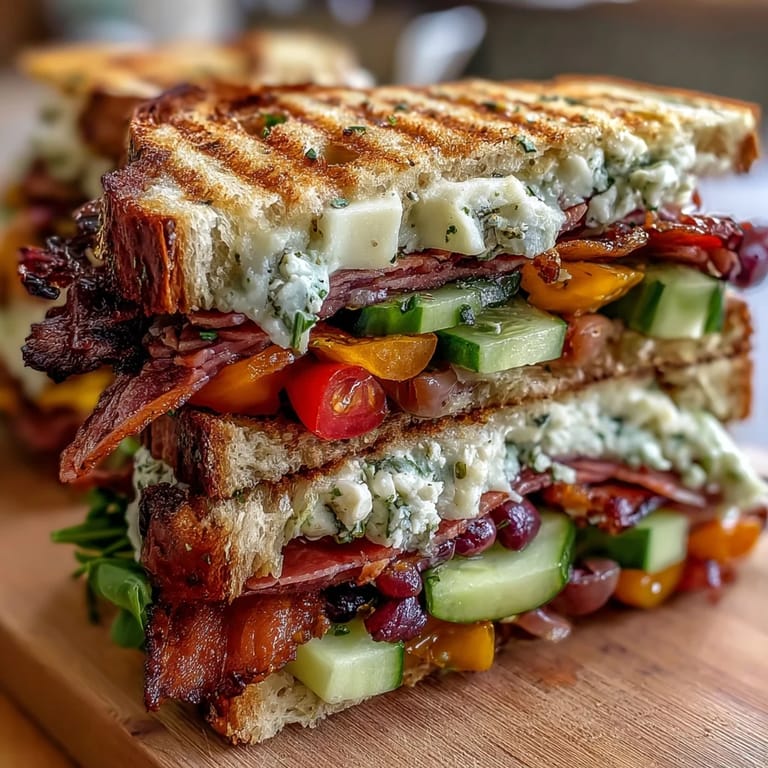
Save This is one of those recipes that works because it respects people's autonomy and their own flavor preferences. It's about creating possibility instead of dictating experience.
Recipe Q&A
- → What breads work best on a deli sandwich board?
Ciabatta rolls, sourdough slices, and whole grain sandwich rolls provide a variety of textures and flavors, complementing the deli meats and cheeses nicely.
- → How should the deli meats be prepared?
Thinly sliced smoked turkey breast, honey ham, roast beef, and salami offer a balanced mix of flavors and all should be arranged neatly for easy selection.
- → What vegetable options enhance the sandwich board?
Fresh tomatoes, cucumbers, red onions, romaine lettuce, baby spinach, avocado, and dill pickle slices add vibrant freshness and crunch.
- → Which spreads complement the deli board offerings?
Mayonnaise, Dijon mustard, hummus, pesto, and honey mustard provide a range of creamy and tangy options to suit different tastes.
- → Can this board accommodate dietary preferences?
Yes, vegetarian options like grilled vegetables, hard-boiled eggs, or plant-based deli slices can be offered alongside gluten-free bread choices.
- → What are good serving tips for the board?
Arrange items in separate sections or bowls on a large serving board, include knives or spoons for easy spreading, and encourage personalized sandwich assembly.